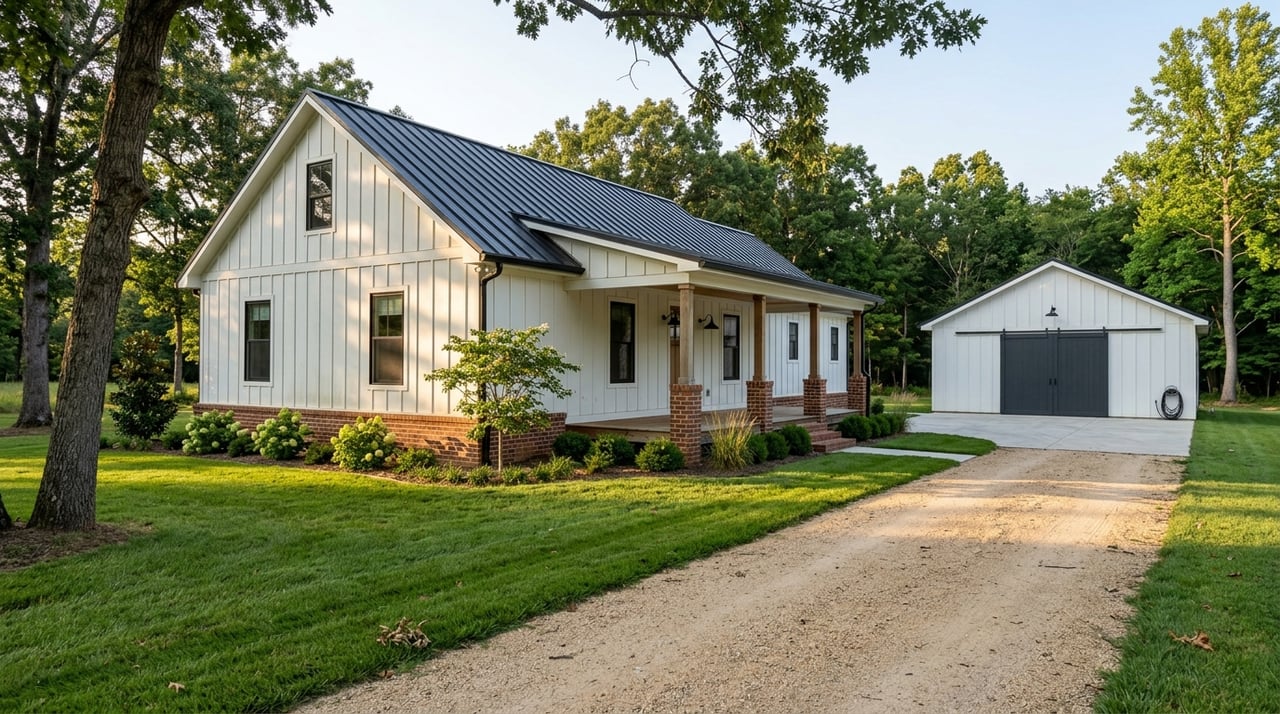
Dreaming about a home with room to spread out around Lexington, TN? Acreage can open the door to privacy, extra storage, outdoor hobbies, and a different pace of life, but it also comes with details you do not want to miss. If you are thinking about buying a home with land in Henderson County, this guide will help you understand what to expect, what to verify, and how to make a smarter move with confidence. Let’s dive in.
Acreage in Lexington Can Mean Very Different Things
Around Lexington, acreage properties can range from a little over half an acre to much larger tracts. Current listings in the area include homes on 0.5, 0.6, 0.72, 1, 4.74, 6, 10.61, and 28.4 acres, while land listings can stretch from about 0.41 acre to 61.98 acres and beyond.
That wide range matters because “acreage” does not always mean the same thing. In this market, it could mean a larger backyard, a mini-farm setup, or a more rural property with timber, open ground, or recreational use. Some listings even note that exact acreage is still to be determined by a surveyor, so it is important to confirm what you are actually buying.
What Acreage Properties Often Include
Acreage homes around Lexington often come with features that go beyond the house itself. You may see rolling open land, mature tree lines, pond views, timber, barns, horse stalls, split rail fencing, and a mix of utility setups.
Some properties already have access to public water, electricity, internet, or underground service. Others may be partially improved or completely unimproved, which means the land may need more work and expense before it functions the way you want.
Why Verification Matters More on Rural Properties
With acreage, the listing description is just the starting point. If a property says it has public water, electricity, or a septic permit on file, you still want to independently confirm the site plan, utility access, and system condition before closing.
That step can save you from expensive surprises. The more land a property has, the more likely it is that boundaries, access, drainage, and utility placement will affect how you use it.
Check the Property Location First
One of the first things to confirm is whether the property is inside Lexington city limits or outside them. That line can affect which local rules apply to the property.
Inside Lexington, the Building and Planning Department enforces building codes, zoning, flood, sign, site-plan, subdivision, and related ordinances. So even if a property feels rural, it may still be subject to city review if it falls within the municipal boundary.
Understand Road Access and Frontage
Road access is one of the biggest issues with acreage purchases. Some local listings highlight public-maintained roads, asphalt surface, and substantial road frontage, which shows how important access can be to both daily use and future resale.
Before you move forward, confirm whether the access is public, private, shared, or based on a recorded easement. You should also understand who maintains the road and whether the property already has an official 911 address if it is outside city limits.
Know Which County Services Apply
For properties outside Lexington city limits, Henderson County services become especially important. The county Highway Department handles county roads and rights-of-way, and the county E-911 office manages 911 calls and address applications.
Fire coverage is another detail worth checking. The Henderson County Fire Department covers properties outside Lexington and Scotts Hill city limits, and the department states that those properties have a Class 6 insurance rating. That can be a useful comparison point when you are estimating insurance costs for a rural home.
Review Title, Easements, and Restrictions
Land transactions often involve more moving parts than a typical in-town home purchase. The Henderson County Register of Deeds records deeds, liens, plats, and other property documents, but the office does not perform title searches or interpret those records for you.
That is why a title company or attorney review is so important. You want a clear understanding of recorded easements, deed restrictions, liens, plats, and any boundary-related issues before you close.
Flood Risk Deserves Early Attention
Flood risk is another item to review early, not later. Lexington’s planning department enforces a flood ordinance, which makes floodplain review an important part of due diligence for properties in or near regulated areas.
Acreage can include creeks, low spots, ponds, and drainage paths that affect how the land can be used. Looking into flood hazard mapping and site drainage early can help you avoid costly surprises after closing.
Financing a Home With Acreage
If you are buying a primary residence in an eligible rural area, USDA Rural Development’s Section 502 Guaranteed Loan Program may be worth discussing with your lender. USDA states that there are no set acreage limits, but the home still must qualify by exact address, and you must meet occupancy and income requirements.
That is good news for buyers who want more land without assuming acreage automatically disqualifies the property. The key is verifying eligibility by the exact property address rather than relying on general assumptions about the area.
Wells and Water Testing
If the home has a private well, do not treat water quality as a minor detail. Tennessee says private drinking-water quality is not regulated by the state, though well construction is regulated.
The state encourages private-water owners to test for pathogens annually and chemical contaminants at least every other year. If your lender requires specific water sampling, follow the lender’s required test parameters, since Tennessee does not have a separate private-well sampling requirement for buyers.
Septic Systems Need Careful Review
Septic is one of the easiest acreage details to underestimate. Tennessee requires a construction permit for septic installation or repair, and the application typically includes a rough sketch showing property lines, the house site, well or spring location, planned driveway, and utilities.
That tells you something important: septic planning affects how the whole site functions. If you are buying a home with an existing system, ask for permit history, repair records, pumping records, and the drainfield location as early as possible.
EPA guidance, which Tennessee health guidance also echoes for general maintenance, says the average household septic system should be inspected at least every three years and pumped every three to five years. Those records can help you gauge how well the system has been maintained.
Well and Septic Placement Matters
On acreage properties, it is not enough to know that a well and septic system exist. You also want to understand where they are located in relation to each other and to other improvements on the property.
Tennessee says wells should be kept away from septic tanks, drain fields, animal pens, and feed lots. If the property has barns, livestock areas, or chemical storage, that layout becomes an important part of your due diligence.
Utility Availability Can Vary Widely
One acreage property may have public water and electricity at the road, while another may only note electric service or no utility improvements at all. That is common in the Lexington area, where parcel conditions vary from one listing to the next.
Always verify what is already on site, what is available nearby, and what still needs to be installed. This can affect both your upfront costs and your timeline for using the property the way you want.
Greenbelt May Affect Taxes
If you are buying larger acreage, Tennessee’s Greenbelt program may come into play. The program values qualifying land based on current use instead of market value, which can reduce property taxes for eligible parcels.
In general, agricultural land needs at least 15 acres, forest land needs at least 15 acres with a management plan, and open-space land needs at least 3 acres. Applications must be filed by March 15 for the current tax year, and rollback taxes can apply if the land later loses eligibility.
Because of that, Greenbelt is worth asking about early if the property size and use suggest it may qualify. It is also important to understand whether the current tax treatment would continue after your purchase.
A Smart Acreage Buyer Checklist
Before you buy a home with acreage around Lexington, make sure you verify these items:
- Exact acreage and whether a recent survey confirms it
- Public, private, shared, or easement-based road access
- Road maintenance responsibility and 911 address status
- Utility availability, including water, electricity, and internet
- Well location, condition, and any water-testing needs
- Septic permit history, inspection records, and drainfield location
- Floodplain and drainage concerns
- Recorded easements, plats, liens, and deed restrictions
- USDA eligibility by exact address if financing is a factor
- Possible Greenbelt eligibility and any related tax questions
Why Local Guidance Helps
Acreage purchases are rarely as simple as comparing bedroom count and price. You are also evaluating land use, access, utilities, site conditions, and long-term costs.
That is where clear, steady guidance matters. When you have someone helping you ask the right questions early, it becomes much easier to sort through options and move forward with confidence instead of guesswork.
If you are considering a home with acreage around Lexington, the goal is not just to find land. It is to find a property that truly fits how you want to live and to verify the details before they become problems.
When you are ready for practical, patient guidance through the process, connect with Heather Pierce for help exploring acreage homes in Lexington and the surrounding West Tennessee area.
FAQs
What counts as acreage property around Lexington, TN?
- Around Lexington, acreage can mean anything from a larger lot of roughly half an acre to rural tracts of 10, 20, 60 acres or more, so buyers should confirm the exact acreage by survey when possible.
What should buyers verify before buying land with a house in Henderson County?
- Buyers should confirm acreage, survey status, road access, utility availability, well and septic details, flood risk, recorded easements, and any deed restrictions before closing.
Do Lexington, TN acreage properties always have public utilities?
- No. Some acreage properties have public water, electricity, internet, or underground service, while others may be partially improved or unimproved, so utility status should always be verified.
What local rules matter for acreage inside Lexington city limits?
- Properties inside Lexington city limits may be subject to city enforcement of building codes, zoning, flood, site-plan, subdivision, and related ordinances through the Building and Planning Department.
What should buyers know about septic systems on acreage in Tennessee?
- Tennessee requires permits for septic installation or repair, and buyers should ask for permit history, pumping records, repair history, and the drainfield location before purchasing.
Can a USDA loan work for a home with acreage near Lexington, TN?
- It can, if the property is an eligible rural primary residence and the borrower meets USDA income and occupancy requirements, since USDA states there are no set acreage limits.
How can Greenbelt affect taxes on Tennessee acreage?
- Tennessee’s Greenbelt program may reduce taxes on qualifying land based on current use, but eligibility depends on acreage and land use, and rollback taxes can apply if eligibility is later lost.
